2010. augusztus 30., hétfő

Húsz évig csak függőleges sírokat ásnak

Húsz évig csak függőleges sírokat ásnak
A spanyol és portugál nyelvterület lapszemléje

Magyar Nemzet
eldiariodelosandes.com, aporrea.org – Venezuela
2010. augusztus 29.

http://www.aporrea.org/imagenes/2010/08/osarios_1.jpg

Foto: www.aporrea.org

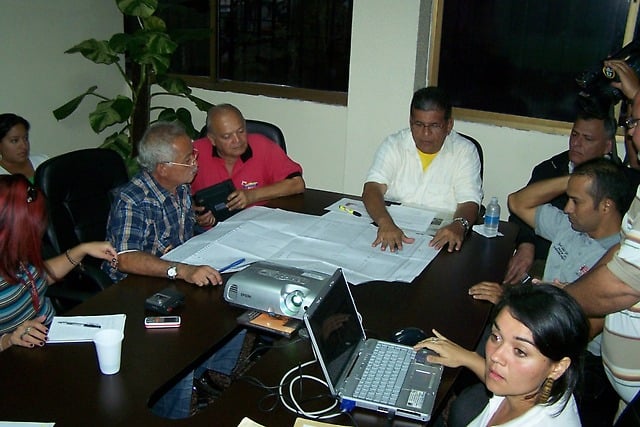
A Kolumbiával szomszédos Trujillo államban fekvő 240 ezres lakosú Valera város Chávez-párti polgármestere, Temístocles Cabezas Morales kénytelenségből közölte: mivel megteltek a hagyományos temetők, a népesség pedig egyre nő, a következő harminc évben függőlegesen helyezik el a változatos formájú koporsókat. A régi temetőt pedig átszervezik, és ehhez remélik, hogy megszerzik a helyi lakosság támogatását is, ügyelve a katolikus vallásúak érzékenységére.


Tiszántúli és Királyhágómelléki közös presbiterkonferencia


2010. augusztus 29., vasárnap

Szembenézve - Sike Lajos publicisztikája

Szembenézve

http://maszol.ro/images/umsz_logo.jpg

Új Magyar Szó
Sike Lajos
2010-08-27

http://iwa.manna.ro/uploaded/tn_e942_sike_lajos.jpg

Mostanában, ha református papokkal beszélgetek, elő-előjön a lehallgatás témája, vele meg az a kérdés, hogy milyen bűnöket követett el a Királyhágómelléki Református Egyházkerületben az az ötven lelkész, akinek „jelentgető múltját” a Brüsszelbe távozó volt püspök nyilvánosságra hozta.

Mondják: a feltáró bizottságtól kapott iratok szerint egyiküknek például az szárad a lelkén, hogy a helyi ortodox pópa durvaságaira hívta fel a belügyesek figyelmét, viszont saját paptársairól, híveiről egyetlen ócsároló sort sem írt.

Nevetséges, hogy egy ilyen lelkészt utólag szekusügynöknek kiálltunk ki! Ki tudja milyen fenyegetések nyomán szervezték be! Azt viszont tudjuk: voltak, akiket nem kellett beszervezni, a jobb pozícióért, a nyugati útlevélért önként jelentgettek. Persze, nem is elsősorban papok.

Minderről természetesen sokat lehetne vitatkozni. Ám a közvéleményt inkább az ügy időzítése foglalkoztatja. Jóllehet a lista már korábban rendelkezésre állt, a nagyobb nyilvánosság csak akkor ismerhette meg, amikor Tőkés Lászlónak át kellett adnia a püspöki széket. Ez sokakban olyan gondolatokat ébreszt, hogy Tőkés Lászlónak nem erőssége a nyílt szembenézés. Kényelmesebb számára Brüsszelből vagy Budapestről üzenni, mint lelkésztársai szemébe nézni, és keresztényhez illően, nyíltan megbeszélni velük a dolgokat.(Van, aki egyszerűen visszarúgást említ.)

A jegyzetíróban akaratlanul felötlik az RMDSZ-ben betöltött tiszteletbeli elnöki tevékenysége. A jelenlévők tanúsíthatják: azon a szatmári kongresszuson elsősorban azért váltották le, pontosabban szüntették meg tisztségét, mert nem járt el az RMDSZ tanácskozásaira, hogy ott mondja el, mi fáj, mivel nem ért egyet, hanem örökösen a sajtón át üzent. Persze, ez sokkal könnyebb volt neki, hisz nem kellett a bíráltak szemébe néznie, netán az ellenérveket hallgatnia.

Miként az autonómiáról is sokkal kényelmesebb a Duna TV-ben, egy székely faluban és templomban értekeznie, ahol természetesen csak tapsot kap, mint azok előtt, akik meg kellene hogy adják nekünk az autonómiát Vagyis a román közvéleményt formáló sajtó, politikusok, de főleg parlamenti képviselők előtt, hisz a román parlament jóváhagyása nélkül nincs semmiféle autonómiánk.

Az RMDSZ listájáról első helyen megválasztott EP-képviselőnk úgy tesz, mintha ezt nem tudná! Ezért inkább cselesen a háttérből üzengetve politizál, mintsem hogy az érintettek elé álljon. Pedig ez nagyobb hitelességet jelentene, főleg a dolgok összefüggéseit jobban ismerő, populista szövegekkel nehezen traktálható emberek előtt.


Satmar Hasidism: Living in Israel forbidden

Satmar: Living in Israel forbidden

ynetnews
Kobi Nahshoni
08.22.10

On anniversary of Satmar Hasidism founder's death, sect publishes list of questions and answers on how to relate to Zionism


http://www.ynetnews.com/PicServer2/20122005/965461/3_a.jpg

Current Satmar rebbe. Rabbi Yekusiel Teitelbaum


In honor of the 31st anniversary of the death of first leader of the Satmar Hasidism anti-Zionist sect, Rabbi Yoel Teitelbaum, a number of his followers published a pamphlet in his memory containing sixty questions and their answers regarding the rabbi's zealous attitude towards the State of Israel.

The pamphlet is entitled "Ish Milhamot" (Man of Wars). It is intended to act as a guide for the perplexed Hassid. In its own words, it provides "clear answers to those seeking the truth to questions and queries over the test of time so the current generation will know the path it should take."

According to the Satmar rebbe, Zionism is a total violation of the Torah. "If we were to take all the violations of the generation and the many transgressions committed around the world and placed them on one side of a scale and the Zionist state on the other side, it would be overwhelmingly decided that it is root of all impurity and damage in the entire world and contaminates the entire world," the rebbe wrote in the pamphlet.

Angel of Death and the Zionists

In response to the question "Who is the minister of the Zionists in Heaven?", the rabbi answered in a response from the previous century, "Obviously the Angel of Death is their minister. Behold, every country has its governor… this country, which is rooted and based in the forces of impurity and the Other Side, this certainly is its minister."

The pamphlet also outlines: Even those who believe that a Jewish state must exist in the Land of Israel having no other choice because of pikuach nefesh (saving a life) "violate the holy Torah." The pamphlet directs readers to the Tractate of Avot, saying that the sentence "every man is judged favorably" is said about everyone except Zionists. In addition, it asserts that it is a mitzvah to speak lashon hara (slander) about Zionists.

"Whoever has a part in this is delaying redemption at every moment and is delaying the inspiration of the Divine Presence and is delaying the coming of the Messiah. Even someone who takes the smallest part, even as slight as the edge of a yod (the tenth and smallest letter of the Hebrew alphabet)… even someone who bends towards them, even by one hair, must be avoided like a bowshot. Whoever thinks yes (that Zionism is the correct path) and not just whoever says yes or even has a thought to this effect, is certainly a heretic."

The rabbi added, "I do not want to have any association with a Jew who thinks like this, and I do not want to find anyone who thinks like this even for a moment in my beit midrash (house of study)… In previous generations, if people only suspected of someone that he has tendencies to think this way in his heart, he was sent away, not included in prayer, and in this manner was they ride themselves of such plight."

'Even in times of war'

The pamphlet's authors quoted a number of extreme statements made by their rabbi and translate them into practical halachic instructions. For instance, prayer rallies held by Religious Zionists or haredim must not be attended, even in a time of war; the rulings of great Torah scholars who recognize Israel must not be followed, saying they are the root of all of Israel's troubles.

"Truly, if it were possible, and even with true devotion, to announce to the nations of the world that these evil people are not the representatives of Israel and Torah- and mitzvoth-keeping Jews, who have no connection to them, this would be one of the biggest mitzvoth that would need to be carried out with devotion," it was written in the pamphlet.

Zionism, according to Rebbe Teitelbaum, will not last forever. The following is a translation from his writings in Yiddish. "The Messiah will not come until no remnant or survivor remains from this kingship. It must become null and void. A Jew who believes in the Creator of the Universe cannot be satisfied with anything otherwise… all the buildings built by the heretics and infidels in our holy land will be burnt and destroyed by the Messiah king."

Is living in Israel permissible?

In the meantime, the Satmar pamphlet also stipulated that living in the State of Israel is forbidden.

In another section, the pamphlet implied that a rabbi need not be consulted before carrying out acts against Zionists, based on the model put forth by the biblical Pinhas who killed Jews who sinned.

Regarding homes containing an Israeli flag, the pamphlet instructed Satmar followers not to enter. "Beyond any doubt, a house containing any reference to the flag must not be entered because it is a bastion of the forces of impurity."

The Satmar rebbe wrote of the renewal of the Hebrew language is worse than speaking "languages of the nations" because changing the holy language is "contemptible, abominable, and impure."

"It is completely forbidden to speak Hebrew because it is an extension of the actions of the heretics and infidels who destroy and ruin religion and thus acknowledges the heretics and infidels and their idol worship and is a violation of the entire Torah."


Nonreligious doctors may hasten death more

UK study: Nonreligious doctors may hasten death more

http://i.usatoday.net/_common/_images/usat_logo2.gif

USA Today
28.08.2010.

LONDON (AP) — Doctors who are atheist or agnostic are twice as likely to make decisions that could end the lives of their terminally ill patients, compared to doctors who are very religious, according to a new study in Britain.

http://i.usatoday.net/communitymanager/_photos/faith-and-reason/2010/08/27/hsignx-large.jpg

Dr. Clive Seale, a professor at Barts and the London School of Medicine and Dentistry, conducted a random mail survey of more than 3,700 doctors across Britain, of whom 2,923 reported on how they took care of their last terminal patient.

Many of the doctors surveyed were neurologists, doctors specializing in the care of the elderly, and palliative care, though other specialists like family doctors, were also included.

Doctors who described themselves as "extremely" or "very nonreligious" were nearly twice as likely to report having made decisions like providing continuous deep sedation, which could accelerate a patient's death.

To ensure doctors are acting in accordance with their patients' wishes, Seale wrote that "nonreligious doctors should confess their predilections to their patients."

Seale also found that doctors who were religious were much less likely to have talked about end of life treatment decisions with their patients.

According to guidelines from the British Medical Association, doctors must not allow their religious beliefs to interfere with their treatment of patients.

"Whatever your personal beliefs may be ...you must be respectful of the patient's dignity and views," the association says.

The guidelines also recommend that when patients are unable to communicate their wishes, doctors must not simply rely on their own values, but that they "should take all reasonable steps to maximize the patient's ability to participate in the decision-making process."

The study was paid for by Britain's National Council for Palliative Care and was published online Thursday in the Journal of Medical Ethics.


2010. augusztus 28., szombat

China: the future of Christianity?

China: the future of Christianity?

http://static.guim.co.uk/static/93569/zones/comment/images/logo.gif

Guardian
Antonio Weiss
28 August 2010

With the state now actively financing Christianity, China could well become the largest Christian country in the world


http://static.guim.co.uk/sys-images/Guardian/Pix/pictures/2010/8/26/1282824750491/The-Wei-Li-Gong-Hui-metho-006.jpg

The Wei Li Gong Hui methodist church The Wei Li Gong Hui methodist church in Jinfeng town, Fujian province, China. Photograph: Dan Chung for the Guardian

Ever since Deng Xiaoping's relaxation of the Chinese Communist party's (CCP) suppression of religious practice in the late 1970s, Christianity has flourished in China. This has been an unexpected phenomenon, as it has been a story largely unheralded by the western media. While figures are patchy, it is estimated that the Christian missionaries (of whom the first were the Nestorians as far back as the Tang dynasty in the seventh century) that were expelled from the People's Republic of China (PRC) in 1949 left behind about half a million people baptised – the majority of whom were Catholics. Today, estimates of Christians range between 40 million and 100 million.


Mao Zedong's cultural revolution banned all forms of religious expression, driving Christians underground into "house churches". After the cultural revolution, realising the potential dangers of such uncontrolled practices, the CCP reinstated the Three-Self Patriotic Movement (TSPM) and formed the China Christian Council as the formal registered organisations of Chinese Protestants, as well as the Catholic equivalent – the Chinese Patriotic Catholic Association. The latter, critically, has no formal links with the Vatican, in large part due to CCP fears of western meddling.


During this period, house churches boomed in popularity. As the New York Times correspondent Nicholas Kristof noted, initially popular among the peasantry, Christianity's reach has extended towards the cities and the wealthy and intellectual Chinese over the last decade.


The reasons for this boom are twofold. The first is that the Chinese have found Christianity to be a stabilising belief system amid a dramatically changing socioeconomic landscape, which had its previous religious traditions crushed by Maoism and its values questioned after Tiananmen Square. And, secondly, with its obvious western heritage, the rise of Christianity may be linked to a subconscious attack on the norms and values espoused by the PRC – rather like South Korea in the 1980s.


However what is most surprising is the CCP's recent policy of actively funding and supporting state-sponsored Christian belief in China, as reported by the BBC earlier this week. According to the director general for the state administration for religious affairs, Wang Zuo An, this is due to the CCP's belief "that it should respect and protect religious belief".


This state-sponsored investment includes building Protestant and Catholic seminaries, funding academic studies into the role of religion in China, and donating land and part-financing the construction of the largest state-sanctioned church in China (for an expected 5,000 worshippers). According to Wang, there are now around 23m official Protestants in China (members of the TSPM), and that "Christianity is enjoying its best period of growth in China".


Yet this all sits rather uneasily with a state that does not allow Christians to be members of the Communist party and whose police, the Public Security Bureau, still frequently break up house church meetings (though with considerable inconsistency from province to province). According to the US group, China Aid Association, from 2005 to 2006, 1,958 Chinese Christians were arrested by the state.


The likelihood is that this policy of "accommodation" is a result of the CCP's past experiences with underground religious organisations and its acknowledgement of the potential economic prosperity that Christianity can bring. In the first instance, it would appear that conscious of the disastrously counterproductive suppression of the "spiritual movement" Falun Gong in the 1990s, the CCP believes that the threat caused by unregistered house churches is best neutralised by bringing Christianity under the auspices of the state.


While the majority of house churches do not appear to have a political agenda (though a small number of revolutionary cults have appeared in rural areas), any violent suppression of Christian groups risks provoking the ire of the west, in particular the US. Second, the recommendations of the prominent Chinese economist, Zhao Xiao, that market economies benefit from active religious groups seem to have been adopted by the CCP leadership. Perhaps eying the benefits that a strong, state-approved Christian voluntary sector could bring to China, in late 2007 President Hu Jintao announced "the knowledge of religious people must be harnessed to build a prosperous society".


On its current trajectory and with state backing, as the former Time magazine Beijing chief David Aikman notes, within three decades there may be nearly 400 million Christians in China. The future of Christianity may well lie in the east.


De ce seamana diavolul cu un tap?

Reprezentări biblice ale demonicului
De ce seamănă diavolul cu un ţap?

Ziarul Lumina
lect. dr. Alexandru MIHĂILĂ
26 August 2010

Pictura tradiţională îi reprezintă pe diavoli ca fiind negri şi păroşi, având coarne, barbă şi copite. Altfel spus, ei împrumută elemente animale, dar special seamănă cu ţapii negri. De ce?

http://www.ziarullumina.ro/imagine.php?pic=1352165input_file0070507.jpg


Vechiul Testament cunoştea o jertfă dublă foarte interesantă din punctul de vedere al istoriei religiilor în ziua Ispăşirii. Erau selectaţi doi ţapi (se'ire âizzim, literal "cei păroşi dintre capre") ca jertfă de păcat, iar la intrarea în Cortul Sfânt asupra lor se aruncau sorţi: unul pentru Iahve şi celălalt pentru Azazel.

Sorţul lui Azazel

Numele Azazel conţine două elemente care îi arată oarecum identitatea: ez "capră" şi el "divinitate". Revenind la ritual, cel asupra căruia căzuse sorţul lui Iahve era adus ca jertfă pentru păcat, iar celălalt asupra căruia căzuse sorţul lui Azazel era lăsat în viaţă, dar trimis lui Azazel în pustie pentru a face ispăşirea (Levitic 16, 7-10). Într-un adaos explicativ, se precizează că marele preot îşi punea mâinile asupra ţapului lui Azazel şi pomenea păcatele poporului: "va mărturisi asupra lui toate nelegiuirile fiilor lui Israel, toate nedreptăţile lor şi toate păcatele lor; şi, punându-le pe acestea pe capul ţapului" (v. 22).

Nu există în acest ritual o asociere unilaterală a ţapului cu demonicul, pentru că tot un ţap îi era adus şi lui Iahve, dar întâlnim prin numele Azazel o atestare a unui demon cu posibilă formă capridă. El locuia în pustie şi lui îi sunt trimise, nu jertfe, ci un ţap încărcat ca un acumulator cu "energia" negativă a păcatelor. Dacă în zilele noastre sunt locuri speciale de aruncat bateriile stricate, pe atunci pustiul locuit de demoni era văzut ca spaţiul de depozitare a gunoiului spiritual… Mai observăm că denumirea de ţap este în ebraică "cel păros", referindu-se la o specie cu păr lung, de obicei de culoare neagră.

Ţapii veneraţi

Exact acest termen, "cel păros", "ţap" (se'ir) apare cel puţin în două contexte clare asociat jertfelor idolatre, deşi în rest, în majoritatea cazurilor se referă la ţapii obişnuiţi. În Levitic 17, 7 li se interzice israeliţilor "să-şi mai aducă jertfele lor la idolii (se'irim) după care umblă desfrânând", iar în 2 Paralipomena 11, 15 idolatria introdusă de regele Ieroboam este descrisă ca însemnând punerea de preoţi pentru înălţimi, dar şi pentru "ţapii şi viţeii pe care îi făcuse el".

Despre viţeii lui Ieroboam ştim că aveau în Dan şi Betel statui de aur şi au fost prezentaţi poporului de către rege cu cuvintele: "iată Israele dumnezeii tăi, care te-au scos din pământul Egiptului!" (3 Regi 12, 28). Faptul transpare în altă formă în istoria despre cultul viţelului de aur, introdus de popor chiar când Moise se afla pe muntele Sinai pentru a primi tablele Legii şi prezentat de Aaron cu aceleaşi cuvinte ca şi regele Ieroboam (cf. Ieşire 32, 1-6). Probabil şi ţapii aveau imagini dedicate, aducându-li-se jertfe prin preoţi dedicaţi (despre care Deuteronomistul atrage atenţia că nu erau dintre fiii lui Levi).

Cunoaştem puţin despre demonologia biblică, dar cele două versete arată că anumite divinităţi cu chip de ţap populau cultul canaanit. Nu ştim care era rolul lor, sau dacă aveau vreo legătură cu viţeii şi cu Exodul din Egipt.

Ţapii din pustie şi satyrii din pădure

Alte două texte din Isaia vorbesc despre locurile pustii ca urmare a nimicirii, care ajung sălaş doar pentru animale sinistre. "Numai animale sălbatice se vor sălăşlui într-însul şîn Babilonţ, şi bufniţele vor locui prin case, struţii îşi vor face cuiburi acolo şi oameni cu chip de ţap (se'irim) vor juca în acel loc. Şacalii vor urla în palatele lor şi lupii în casele lor de petrecere" (Isaia 13, 21-22). În 34, 11-15 textul este mai dezvoltat, de data aceasta având ca obiect al pedepsei Edomul: "Pelicanul şi ariciul vor fi stăpânii lui, bufniţa şi corbul, locuitorii lui. ş…ţ Şi oameni cu chip de ţap într-însul vor locui şi de viţă bună socotiţi vor fi. ş…ţ Acolo va fi sălaşul şacalilor şi adăpostul struţilor. Câini şi pisici sălbatice se vor pripăşi pe acolo şi făpturi omeneşti cu chip de ţap (saâir, la singular, dar cu sens colectiv) se vor strânge (fără număr). Acolo vor zăbovi năluci ce umblă noaptea şi în acele locuri îşi vor găsi odihna. Acolo îşi va face şarpele cuibul şi va depune ouă în el, va cloci şi va scoate pui. Acolo se vor strânge vulturii de pradă". Nu insistăm pe animalele de altfel greu de identificat, ci doar pe "oamenii cu chip de ţap" din 13, 21 şi "făpturile omeneşti cu chip de ţap" din 34, 14. Biblia Sinodală are în plus faţă de textul masoretic şi "oameni cu chip de ţap" în 34, 11, preluând din Septuaginta un text mai lung decât cel ebraic. Septuaginta are însă onokentauroi, un cuvânt bizar care mai apare şi în Isaia 13, 22; 34, 14, reflectând însă termeni diferiţi ebraici. Onokentauros, la singular, ar însemna literal centaur cu formă de măgar. Şi Sf. Vasile comentează: "Numele de "onocentauri" arată alcătuirea compusă şi stranie a animalului, doar dacă nu este şi el un fel de demon, care acum ne face să dăm atenţie celor omeneşti, acum ne târăşte spre patimile animalice" (Comentariu la cartea profetului Isaia, p. 324).

Ţapii obişnuiţi nu dansează, iar textul nu vorbeşte de vreo reprezentaţie de circ. Trebuie să fie de fapt iarăşi demoni-ţapi care se bucură de distrugere şi ţopăie.

Totuşi, după cum argumenta şi N.H. Snaith ("The Meaning of se'irim, în: Vetus Testamentum 25 (1975), nr. 1, pp. 115-118), se'irim-ii nu trebuie traduşi prin "satyri" sau "oameni cu chip de ţap", ca Sinodala, care trădează prin acesta că s-a uitat cu un ochi la traduceri moderne. De exemplu, Biblia de la Ierusalim, Revised Standard Version, TOB-ul, chiar şi traducerea în engleză de la Jewish Publication Society redau termenul prin "satyri". Satyrii erau însă duhuri ale pădurii din alaiul lui Dionysos, nu demoni ai deşertului, iar pe de altă parte sunt cunoscuţi abia în perioada elenistică. Totuşi, Snaith nu are dreptate să îi considere zeităţi ale ploii şi fertilităţii şi să considere că în pasajele isaianice este vorba doar de ţapi obişnuiţi.

Demonii şi ţapii

Pe o plăcuţă de fildeş descoperită în Meghido, datând din Bronzul târziu (aprox. 1200 î.d.Hr.), este reprezentat un demon bărbos, cu trup de leu şi aripi, care atacă un ibex sau un ţap. Unii au văzut în el o asemănare cu Azazel, demonul căruia îi era trimis ţapul în pustie (Othmar Keel, The Symbolism of the Biblical World, Eisenbraun, Winona Lake, 1997, p. 84, fig. 97), alţii însă nu sunt prea convinşi de o asemenea interpretare (J. den Boeft, "Satyrs", în: Karel van der Toorn / Bob Becking / Pieter van der Horst (ed.), Dictionary of Deities and Demons in the Bible, Brill, Leiden / Boston / Köln, W.B. Eerdmans, Grand Rapids, 1999, p. 732). În orice caz, pe un cilindru neobabilonian păstrat la Louvre, un geniu înaripat leagă un demon cu trup de ţap şi aripi, cu barbă, coarne, dar cu faţă umană (cf. Silvia Schroer, In Israel gab es Bilder, Universitätsverlag, Freiburg / Vandenhoeck & Ruprecht, Göttingen, 1987, OBO 74, p. 134, cf. şi fig. 58).

Revenind la cele două texte din Isaia, şi Sf. Vasile cel Mare îi identifică pe acei onocentauri, pe care textul ebraic îi numeşte "ţapi", tot cu demonii: "Iar pe "onocentaurii", de care vorbesc cei Şaptezeci, Aquila îi numeşte "păroşi". Pare să înfăţişeze un neam de demoni îmblăniţi şi întunecaţi la înfăţişare, a căror faptă este şsă umbleţ neliniştiţi, să nu stea deloc cu picioarele şi nici să nu se folosească de cuget" (Comentariu la cartea profetului Isaia, p. 321).

Diavolul "elenistic"

Din perioada elenistică, cultura grecească a pătruns profund şi în Palestina. Atunci, zeul Pan şi satyrii, fiinţe hibride, jumătate bărbaţi şi jumătate ţapi, având deci barbă, coarne şi copite, au servit ca model suprem al demonicului. Erau frenetici, nestăpâniţi, cuprinşi de beţie şi de pofte, ca participanţi la alaiul dionisiac.

Deşi forma diavolului-ţap s-a conturat deplin acum, aşa cum am văzut, ea nu era o inovaţie, ci o aprofundare a vechii tradiţii semite despre demonul păros al pustiului.


Négy gyereket csinált a katolikus püspök

Négy gyereket csinált a katolikus püspök

Népszabadság
Ortutay L. Gyula
2010. augusztus 28.

Paraguay jelenlegi államfőjének, Fernando Lugónak a minap kellett DNS-mintát adnia egy apasági keresethez. Van egy 22 éves lánya és egy kétéves kisfia is - az előbbit papként, az utóbbit San Pedro tartomány püspökeként hozta össze. Népszerűségének nem ártanak a nőügyek.

http://static.nol.hu/media/picture/41/08/41/000410841-9465-600f.jpg

Fernando Lugo Cristina Fernandez Kirchner argentin államfővel


DNS-teszthez adott vérmintát a minap Fernando Lugo, Paraguay elnöke, miután egy apasági keresetben ilyen értelmű bírósági végzés született. A most 59 éves Lugót, aki korábban San Pedro tartomány igen népszerű püspöke volt, az utóbbi években több esetben is érte hasonló vád. Egy ízben az akkor már államfő Lugo elismerte egy kétéves kisfiú esetében az apaságát, ráadásul ezzel azt is, hogy valójában még az előtt ejtette teherbe Viviana Castillót, hogy a Vatikánból felmentették volna papi hivatása alól. (Erre csak elnöki eskütétele után, 2008-ban került sor, a Szentszék először ugyanis megtagadta Lugo kérését: püspököket nem laicizálnak bemondásra.)

Ismert egy másik, még korábbi időpontú félrelépése is, amelynek tényét közvetve - legalábbis a paraguayi sajtó értelmezése szerint - azért elismeri Lugo, noha az anya soha nem élt apasági keresettel. Az elnökön orvosai augusztus elején limfómát diagnosztizáltak, ezért két hete Brazíliában sugárterápiás kezelésen esett át. Hazatérte óta orvosai tanácsára nem vesz részt nyilvános eseményeken, ám a napokban kivételt tett, közeli ismerőseinek egy kis csoportja meglátogathatta, köztük volt a 22 éves Fátima Rojas és férje is, akiknek tavaly novemberi esküvőjén ott volt az elnök. Fátima anyja, Mirtha Maidana akkor közölte a sajtóval, hogy az államfő részvételének oka az esküvőn rém egyszerű, ugyanis ő a lány apja.

A vérmintavétel miatt nagy visszhangot kiváltó mostani ügy az első olyan eset, amikor bírósági eljárásig fajult a dolog. Hortensia Morán állítja, hogy hároméves fiának Lugo az apja. A hölgy szerint 2007-ben választási kampánysegítőként került intim kapcsolatba az utóbb győztes elnökjelölttel. A 40 éves Morán jelenleg Asunción egyik szegények lakta külvárosában szociális gyerekintézet igazgatója. Mint a helyi Ultima Hora írta, várhatóan két hét múlva lesz ismert a három laboratóriumban is elvégzendő vizsgálat eredménye.

Egy nappal a vérvétel hírét követően a sajtóhoz fordult egy másik hölgy is, aki azzal fenyegetőzött, hogy újra bírósághoz fordul. A 27 éves anya tavaly decemberben ugyanis visszavonta az apasági keresetét, miután az ügyvédek különmegállapodást kötöttek. Az államfő nevében felajánlottak rendszeres havi apanázst és azt, hogy a 2002-ben született gyerekével kap egy fővárosi házat is.

Fernando Lugo népszerűségének aligha ezek a nőügyek ártanak, még akkor sem, ha az ellenzék tavaly emiatt lemondásra szólította fel. A szegények püspökéből lett elnökjelölt annakidején, 2008-ban fölényesen győzött a 61 éve kormányzó Colorado párt jelöltje ellen. Sokan azt várták, hogy határozott baloldali politikát követ majd, ám minthogy a törvényhozásban mozgalmának nincs többsége, a reformígéretekből vajmi kevés valósult meg. A La Nación lapban ismertetett közvélemény-kutatás szerint csak 31 százalék tartja jónak az elnök teljesítményét, míg további 39 százalék átlagosnak. A felmérés azelőtt készült, hogy az elnök megkapta az első kemoterápiás kezelést. Mindenesetre Lugo nyilatkozatában jelezte, szándékában áll a választásokon kifejezett népakaratnak megfelelően 2013-ig az ország élén állni.


Szikszai György: Hálaadás az aratásért és szüretért (1786)

Szikszai György
(1738–1803)

Keresztyéni tanítások és imádságok
(1786)

A keresztyén embernek hálát kell adni az aratásért és szüretért és kérni kell a kegyelmet, hogy a begyűjtött áldásokkal jól és istenesen élhessen

Tanítás

Az aratás és szüret igen nagy és szembeötlő jótéteménye Istennek, mikor a földbe vetett mag kikel, a szőlőtövek és gyümölcsfák kifakadnak, a tavaszi és nyári napokban kivirágoznak, gyümölcsöt teremnek, égiháborútól, jégesőtől, kártevő bogaraktól és egyéb ártalomtól épségben megmaradnak, gyümölcsüket szépen megérlelik és a csűröket, vermeket, pincéket megtöltik.

Sok hálátlan ember nem gondol arra, hogy ezért a jótevő Istennek hálát adjon, hanem csak úgy nézi, mint a természet rendjét, aminek a természet folyásai szerint minden esztendőben így kell lenni. Mikor aztán él is Isten áldásaival, nem emeli fel azokról szívét Istenhez, hanem csak oktalan állat módjára él azokkal. Ezért Isten is, méltó haragjában, sokszor elpusztítja és elveszi valamilyen jogos ítélete által a föld termését, hogy mindenki lássa és megismerje, hogy a föld semmit sem adhat az ő áldása és adománya nélkül, és hogy mindazért amit a föld ad, neki kell, mint legfőbb adományozónak hálát adni.

Te azért, keresztyén ember, ne légy oktalan és háládatlan teremtés Isten áldásai között, amiket neked és minden embernek adni szokott.

1. Amikor látod a teljes gabonafejeket és a szép gerezdekkel teli szőlővesszőket, emelkedj fel elméddel Istenhez és ismerd el, hogy ezek az ő áldásai és adományai.

2. Amikor látod aratáskor és szüretkor, hogy mindenféle emberek, jók és gonoszok, aratják, takarják gabonájukat, szedik, hordják, sajtolják szőlőtermésüket, csodáld és dicsőítsd Isten jóvoltát és irgalmát, hogy bár olyan gonoszak vele szemben nagyobb részt az emberek, hogy őt bűneikkel bosszantják és áldásaival az ő megbántására élnek, mégis így gazdagítja őket áldásaival.

3. Amikor magad is begyűjtöd a szérűről és a sajtóról az áldást, dicsérd és áldd Istened jóságát és hatalmát, hogy egy gabonaszemből sok gabonaszemet, a szőlő gyenge és erőtelen fájából drága gyümölcsöt és italt teremtett földi életed táplálására.

4. Ne csak szájjal adj hálát Istennek az ő áldásáért, mint a képmutatók, hanem életeddel és cselekedeteiddel is bizonyítsd háládat. Mi emberek, ha valakivel jót teszünk, megelégszünk-e azzal, ha az szájjal megköszöni jóakaratunkat, de cselekedetével ellenünk jár és bosszúsággal fizet? Hát Isten előtt ugyan mit ér, ha csak szájjal adunk hálát áldásaiért, de bosszúságára járunk és azt cselekesszük, amit ő gyűlöl. Te azért keresztyén ember, úgy légy hálás jótevő Istened iránt, hogy féld őt, igyekezz kedvébe járni, áldásainak ás jótéteményeinek látása és tapasztalása gerjesszen iránta szeretetre és életednek az ő akarata szerint rendelésére.

5. Mivel erőtelen ember vagy, imádkozz, hogy az Isten kegyelmével tegyen alkalmassá ezekre és segítsen áldásaival való helyes élésre, és az iránta való igaz hálára.

6. Amikor aratáskor és szüretkor azt látod és tapasztalod, hogy az emberek nagyon kapnak az Isten földi áldásain, örvendeznek, mikor bőven terem szántóföldjük és szőlejük, és nagy örömmel és serénységgel betakarítják azok termését, ez ilyen hasznos gondolatokat adhat neked: Ha ilyen kedvesek és kellemesek Isten földi áldásai, amiket az istentelenek is megkapnak, milyen drágák lehetnek akkor azok az örökkévaló javak, amiket az őt szeretőknek készített az égben? Ha ilyen kívánatos és jóízű Istennek az a kenyere is, amit a hitetleneknek és a gonoszoknak is megad, milyen kívánatos és jóízű lehet az az elrejtett mennyei manna, amiből azoknak ad enni Krisztus, akik hozzá mindvégig hűségesek lesznek (Jel 2:17)

7. Végül, aratáskor jusson eszedbe az a nagy aratás, amely lesz a világ végén, melyben az aratók lesznek az angyalok, a mező a világ, a jó gabona az Istent félő igaz hívek, a konkoly a hitetlen és bűnben élő emberek. Akkor a mennyei gazda, az úr Jézus Krisztus, ilyen parancsot ad ezeknek az aratóknak: Szedjétek össze először a konkolyt és kössétek kévékbe, hogy megégettessék; a búzát pedig takarítsátok be az én csűrömbe. (Mt 13:30) Te is hát, keresztyén ember, légy jó gabona a kegyesség szív szerint gyakorlására és a jó cselekedetek kedves gyümölcseinek megtermése által, hogy akkor ezek a mennyei aratók téged is betakarítsanak a mennyei csűrbe.


Imádság,

melyben a keresztyén ember hálát ad az aratásért és a szüretért és kegyelemért könyörög, hogy a begyűjtött áldásokkal jól és istenesen élhessen

Óh jótevő és nagy irgalmasságú felséges Úristen! Könyörülő és tápláló mennyei Atya! Nagy jóságod és hatalmad cselekszi azt, hogy ez a föld, melyet lakóhelyül adtál nekünk, gyümölcsözzék táplálásunkra. Most ezt az esztendőt is te koronáztad meg javaiddal, megáldottad szántóföldjeinket és szőlőskertjeinket: korai és kései esőket adtál azokra, jégesőtől és egyéb ártalmaktól megóvtad azokat, a nap melegével megérlelted azok gyümölcsét és nekünk, bűnös és hálátlan fiaidnak ismét gazdagon ajándékoztál eledelt és italt.

Nagyok a te cselekedeteid, óh Uram! Mindent bölcsen teremtettél, betelt a föld gazdagságoddal. Amint mindenek szemei rád néznek, hogy adj nekik eledelt alkalmas időben, úgy meg is nyitottad áldott kezeidet és betöltöttél minket jóvoltoddal.

Áldott legyen, óh Isten, a te hatalmad, hogy az elvetett magot sokkal többre szaporítottad és a föld nedvességét a szőlőtőben borrá változtattad. Áldott legyen bölcsességed, hogy mind az emberek, mind a barmok eledelét úgy kirendelted, hogy azok mindnyájan megkapják tápláltatásukat. Áldott legyen irgalmasságod, hogy nem tekintetted bűneinket, hálátlanságunkat és áldásaiddal való sokszori visszaélésünket, amikkel azt érdemeltük volna, hogy áldásaidat tőlünk megvond, hanem érdemünk ellenére is jót tettél velünk és gazdagon gondot viseltél tápláltatásunkra.

Nagy és csodálatos, Uram, a te jóságod! Milyen sok hálátlan eszi kenyeredet! Milyen sok gonosz és bosszúságodra járó issza borodat! Milyen sok ellenséged és gyűlölőd részesül áldásaidban! Igazán Isten vagy te és nem ember, hogy jótéteményeid gyakorlását, jóvoltod megmutatását az emberek gonoszsága meg nem akadályozhatja.

Oh gazdag kegyelmű Isten! Áldásaiddal együtt adj nekünk kegyelmet is az azokkal való élésre, mert különben veszedelmesek lesznek azok nekünk. Vonj minket azokkal, mint kedves kötelekkel magadhoz, hogy az adományokból téged, azoknak adóját, az ajándékokból téged, jótevőt megismerjünk, féljünk és szeressünk és amikor ajándékaidat asztalunkon magunk előtt látjuk, kezünkbe és szánkba vesszük, mindenkor felemeljük szívünket és hálaadó fohászt küldjünk hozzád, óh minden áldás kútfeje!

És ha halandó testünket táplálod földi áldásaiddal, sokkal inkább tápláld halhatatlan lelkünket kegyelmeddel, hogy testünk étele és itala mellett éhen ne haljon lelkünk, hanem éljen az is és erősödjék a hitben, reménységben, szeretetben, a szentségben és kegyességben mindaddig, amíg eljuthatunk a mennyei javak bírására az örök életben a mi Urunk Jézus Krisztus által. Ámen.